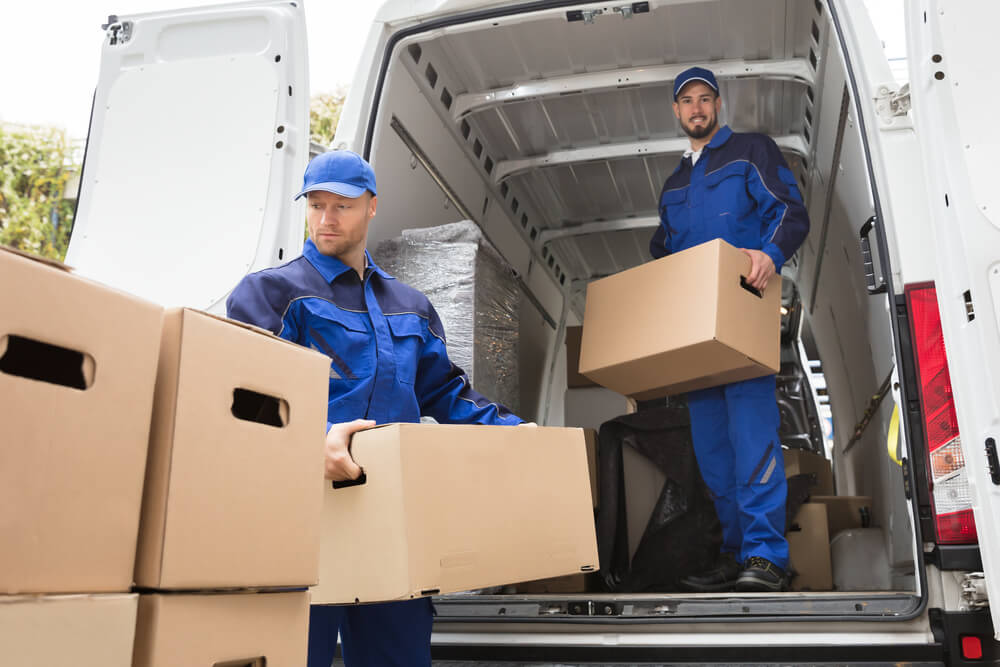
Simple Home Moving Ideas from Maryland Movers

Moving to a new place often starts with a long checklist, a bit of excitement, and plenty of questions. Many people begin their search online to understand the process and compare services. One helpful starting point is to get quote from marylandmovers.net, which allows residents to estimate moving costs and explore available services before making final decisions. Having this information early helps homeowners and renters organize their schedule and avoid last-minute confusion. Relocation within Maryland or Washington DC can involve several details that people do not always consider in advance. Traffic patterns, building rules, parking access, and neighborhood layouts all influence how a move unfolds. Taking time to understand these factors helps make the entire transition smoother.
Understanding Moving Needs Across Maryland Communities
Maryland includes a wide range of residential environments, from city apartments to suburban homes and rural properties. Each setting brings its own challenges when relocating. In larger cities, narrow streets and limited parking may require careful coordination with the moving team. In suburban neighborhoods, long driveways or multi-level homes can influence how items are loaded and unloaded. Many residents choose local movers who understand these community layouts. Familiarity with regional routes and neighborhood restrictions often helps moving crews work efficiently while avoiding delays.
Consumers preparing for a relocation can also review helpful safety information provided by federal authorities. The Federal Motor Carrier Safety Administration offers guidance about choosing legitimate movers and avoiding fraudulent companies.
Moving Challenges Inside Upper Northwest DC
Relocating within Washington DC can feel quite different from moving in suburban Maryland. Upper Northwest neighborhoods are known for historic homes, older apartment buildings, and limited curbside space. These factors can influence the moving schedule and the type of equipment needed. Residents planning a move in that part of the city often research local service providers ahead of time. Many homeowners choose to visit the upper northwest dc movers website to learn about moving services that specialize in navigating these neighborhoods. Experienced crews understand building layouts, parking limitations, and local moving regulations.
Creating A Practical Timeline For Moving
One of the most helpful steps in relocation preparation is building a simple timeline. Spreading tasks across several weeks prevents last-minute stress and keeps everything organized. Four to six weeks before the move, many people begin sorting through belongings. This stage involves deciding what to keep, donate, or discard. Reducing unnecessary items makes packing easier and can lower transportation costs. Two to three weeks before moving day, packing usually begins in earnest. Non-essential items such as seasonal clothing, books, and decorations can be boxed first. During the final week, the focus shifts to confirming moving arrangements, transferring utilities, and preparing important documents for easy access.
Packing Techniques That Protect Household Belongings
Good packing methods help protect valuable belongings during transportation. Many experienced movers recommend using sturdy boxes and plenty of protective materials.
Fragile items such as glassware, ceramics, and picture frames should be wrapped individually. Paper wrapping or bubble cushioning helps prevent impact damage. Plates are often packed vertically inside boxes because this reduces pressure during transport. Heavier items like books should be placed in smaller boxes so they remain easy to lift. Large boxes filled with heavy objects can become difficult to carry and increase the chance of accidents. Furniture protection is also important. Blankets, pads, or shrink wrap can prevent scratches when items are moved through doorways and hallways.
Preparing Your Home Before Moving Day
Preparing the home before the moving truck arrives can save valuable time. Clearing pathways inside the house helps movers carry boxes safely without obstacles. Small preparation tasks can make a big difference. Removing wall decorations, disconnecting electronics, and organizing loose items prevents delays once the loading process begins. It also helps to gather important documents, medication, chargers, and personal items into one easily accessible bag. Keeping these essentials nearby ensures they do not get packed into boxes accidentally. Some households also prepare a labeled area near the entrance where packed boxes are placed.
Settling Comfortably Into Your New Residence
Arriving at a new home is both exciting and tiring. Instead of unpacking everything at once, many people start with the essential rooms first. Bedrooms, bathrooms, and the kitchen usually receive priority since these areas support everyday routines. Having bedding, basic cookware, and toiletries ready makes the first evening in the new home much easier. After the essentials are arranged, the remaining boxes can be unpacked gradually over several days. This approach allows homeowners to organize each room carefully rather than rushing through the process.